


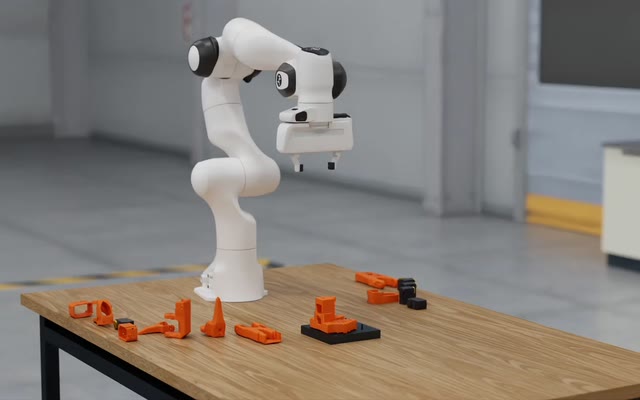
Robotic arm
Example task chainThe chain starts with a customer brief for a six-servo desktop arm and ends with a fetch in a hidden workcell. Each task has its own hidden unit or cell, and the agent has to work out the numbers from photos, datasheets and a test bench, as an engineer would.
01–03 are benchmark pull requests under review (#13, #15, #16); the rest are in development.
Replica requirements from photos
The agent reads bench photos, a build log and datasheets, then writes a traced requirements sheet, a bill of materials and a kinematic sketch.
CAD design from photos
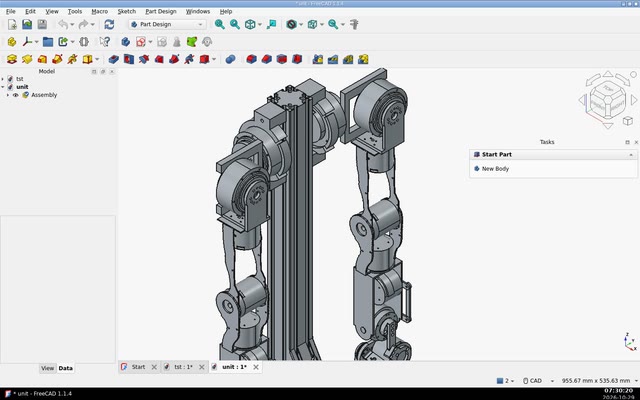
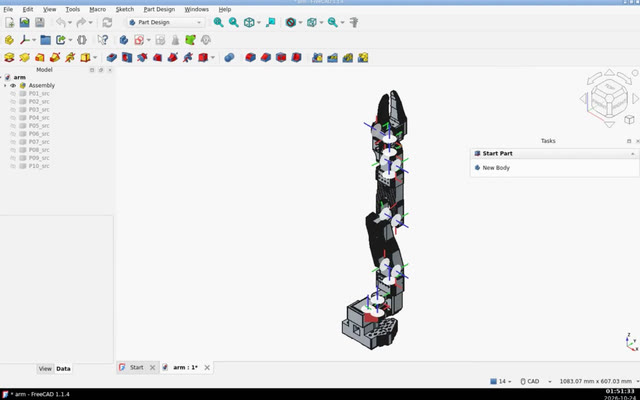
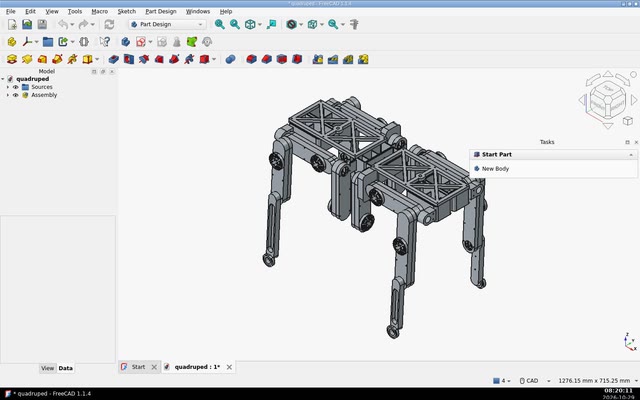
The agent models the ten printed parts and their assembly in FreeCAD, working from 80 uncalibrated photos and the servo's STEP file.
Full assembly by a Franka Panda
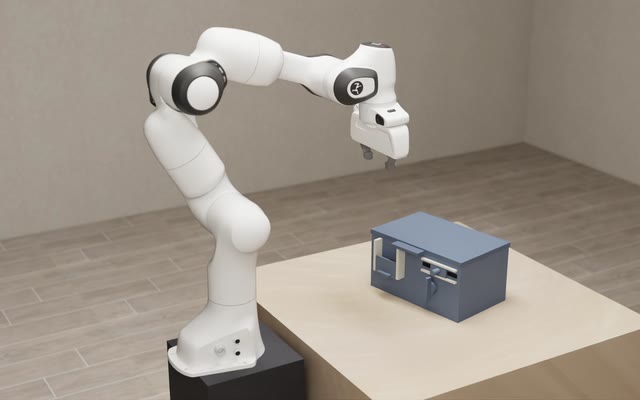
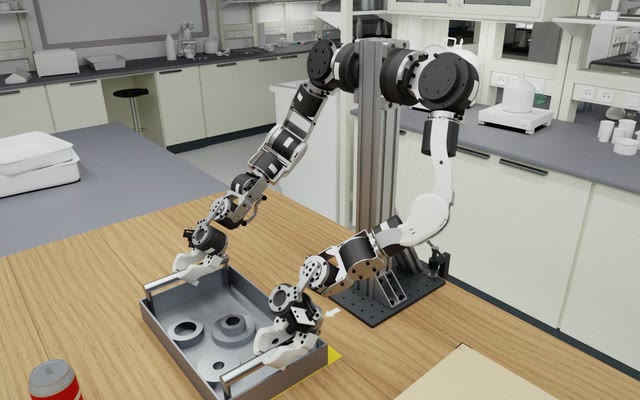
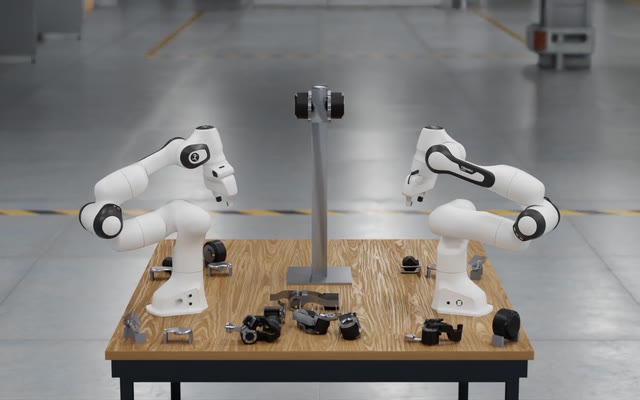
The agent writes the program that has the Panda build all 15 mates of the arm from loose parts, guided by a 25-photo picture manual and cameras.
MJCF from photos and servo readings
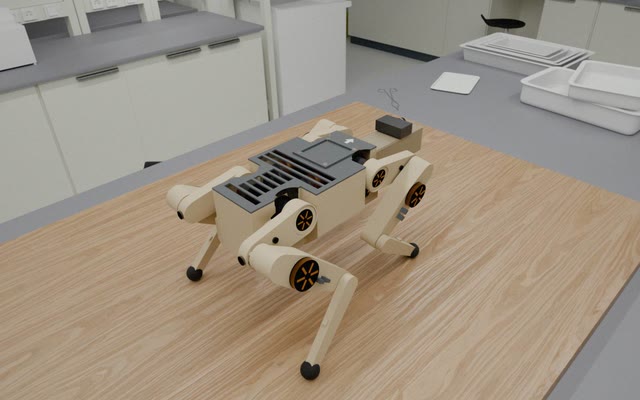
The agent calibrates a MuJoCo model of the photographed arm from hand-held photos and the joint readings logged with them.
Commission two customer units
Starting from a nominal model, the agent spends a budget of experiments on a test bench and delivers a calibrated model and a controller for each unit.
Workcell twin from a phone survey
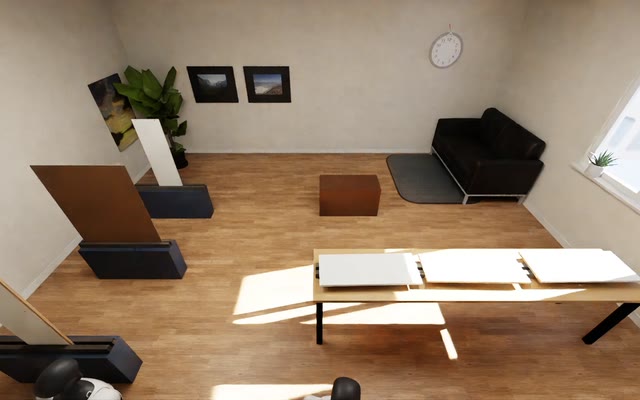
The agent builds a MuJoCo digital twin of a drawer workcell from ten survey photos taken with unknown cameras.
Fetch with cameras only
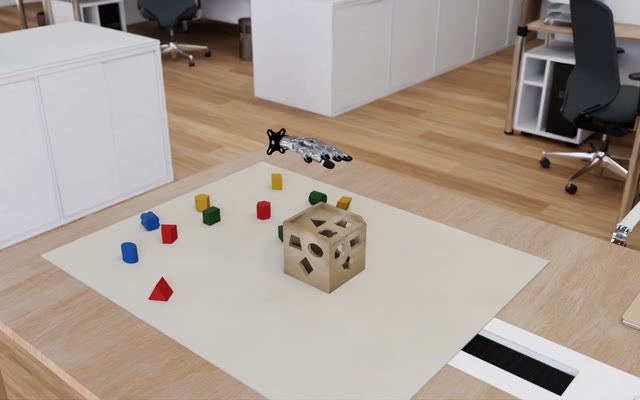
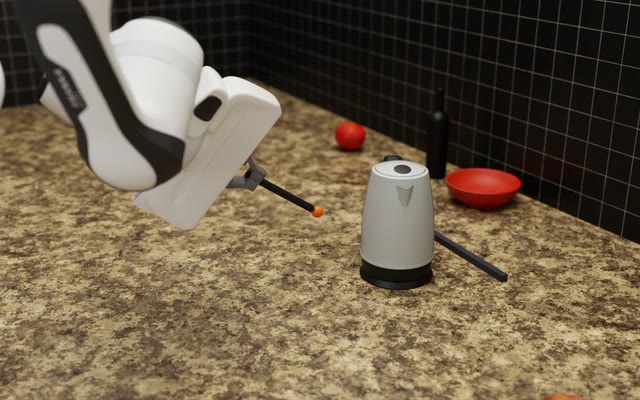
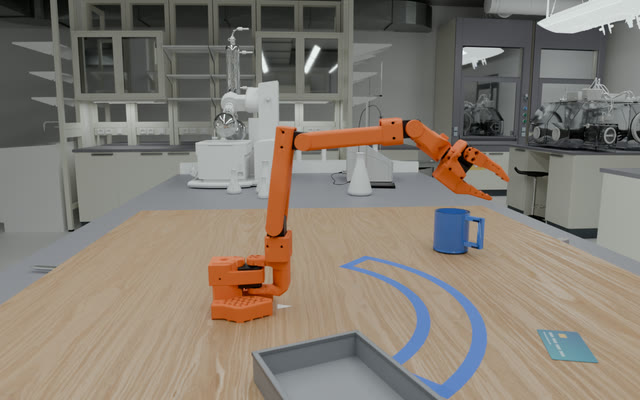
The actor fetches from the table and from closed drawers with two RGB-D cameras and encoders whose zero offsets nobody recorded.
Replicate a lost arm, then fetch with it
One agent does all seven stages. The grader builds the arm from that agent's CAD, then runs its assembly and commissioning programs and actor in the hidden cell.